Homeowners and new buyers often hear about GFCI and AFCI outlets when talking about electrical safety—but what do these terms actually mean, and why do they matter so much?
In simple terms:
- GFCI (Ground Fault Circuit Interrupter) devices protect people from electric shock
- AFCI (Arc Fault Circuit Interrupter) devices protect homes from electrical fires
Both are critical safety technologies used in modern homes to reduce the risk of injury, fire, and property damage. Understanding how they work and where they’re used can help you make smarter decisions about your home’s electrical safety.
GFCI Outlets: Preventing Electric Shocks
GFCI outlets are designed to prevent serious electric shock and electrocution. “Ground faults” occur when electricity flows outside its intended path—such as when a person comes into contact with a live wire while also touching water or a grounded surface.
How GFCIs Work
A GFCI continuously compares the electricity flowing through the circuit. If it detects even a tiny imbalance, it cuts off power in a fraction of a second. This fast response can prevent severe injury or death.
You can identify GFCI outlets by the TEST and RESET buttons on the outlet face.
Where GFCIs Are Commonly Used
GFCI protection is especially important in areas where moisture or contact with water is likely, such as:
- Bathrooms
- Kitchens
- Laundry and utility areas
- Garages
- Outdoor outlets
- Balconies and terraces
Anywhere electrical devices might be used near water is a strong candidate for GFCI protection.
Why GFCIs Matter
Many household electrocutions occur in wet or damp environments. GFCIs dramatically reduce this risk by cutting power before electricity can pass through a person. This simple device has prevented countless serious injuries and fatalities over the past several decades.
AFCI Protection: Preventing Electrical Fires
While GFCIs protect people from shock, AFCIs protect homes from fire.
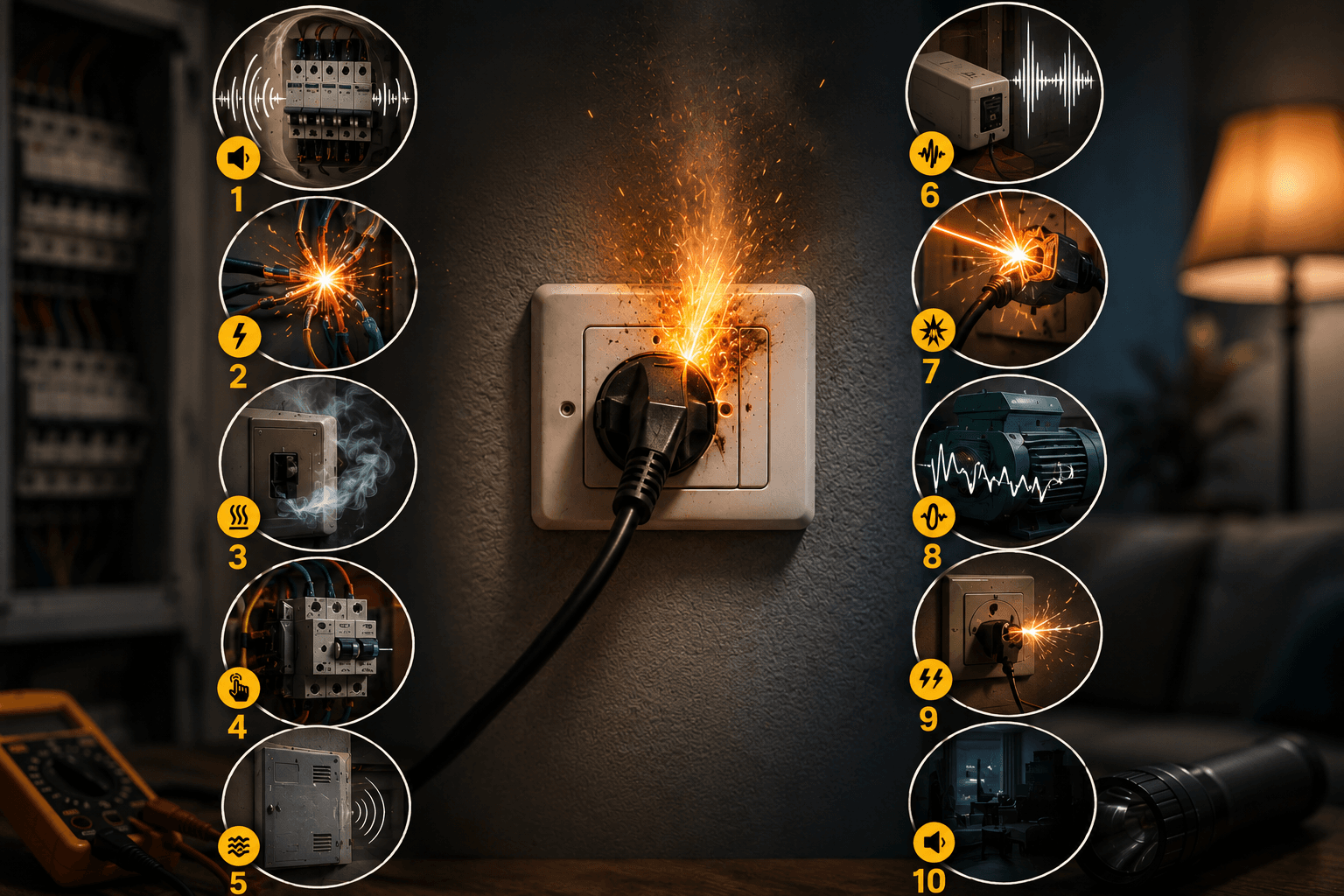
An “arc fault” happens when electricity jumps across a damaged wire, loose connection, or deteriorated insulation. These small sparks can generate intense heat and ignite nearby materials inside walls—often without drawing enough current to trip a standard circuit breaker.
How AFCIs Work
AFCIs monitor the electrical waveform in a circuit. When they detect the irregular pattern associated with dangerous arcing, they shut off power instantly—stopping the problem before it becomes a fire.
Think of AFCIs as an early warning system for your wiring.
Common Causes of Arc Faults
Arc faults can be caused by:
- Loose wiring connections
- Worn or damaged cords
- Pinched cables behind furniture
- Poor-quality extension cords
- Aging insulation
- Improper DIY electrical work
Living spaces such as bedrooms and living rooms are especially vulnerable because of chargers, extension cords, lamps, fans, and electronics.
GFCI vs AFCI: What’s the Difference?
Although both devices shut off power to protect you, they look for different dangers:
GFCI (Ground Fault Circuit Interrupter)
- Protects people from electric shock
- Detects current leaking to ground
- Common in wet or damp areas
AFCI (Arc Fault Circuit Interrupter)
- Protects homes from electrical fires
- Detects dangerous sparking and arcing
- Common in living and sleeping areas
One device does not replace the other. Each handles a different type of electrical hazard.
Dual-Function Protection: One Device, Two Safeties
Modern electrical systems often use dual-function breakers that provide both AFCI and GFCI protection in a single device. These are especially useful in areas where both shock risk and fire risk are present, such as kitchens and utility spaces.
This approach simplifies upgrades while maintaining full safety coverage.
Older Homes May Lack Modern Safety Features
Many homes were built before these safety technologies became common. As a result, older properties may have:
- No GFCI outlets in wet areas
- No AFCI protection in living spaces
- Aging wiring insulation
- Overloaded circuits
- Outdated electrical panels
Electrical safety standards have evolved based on real-world incidents and fire investigations. Even if an older home was considered “safe” at the time it was built, it may not meet modern safety expectations.
Upgrading to include GFCI and AFCI protection is one of the most effective ways to improve electrical safety in an older home. Hellopower.in
How to Test Your Safety Devices
These devices should be tested periodically to ensure they still function properly.
Testing a GFCI Outlet
- Plug in a lamp or charger
- Press RESET to ensure power is on
- Press TEST
- The power should turn off
- Press RESET again to restore power
If the outlet does not trip, it may be faulty and should be replaced.
Testing an AFCI Breaker
- Locate the AFCI breaker in your panel
- Press the TEST button
- The breaker should trip
- Reset the breaker
If the breaker does not trip or will not reset, have it checked by a professional.
When to Call an Electrician
You should consult a licensed electrician if:
- Outlets feel warm or look discolored
- Breakers trip frequently
- Lights flicker
- You’re unsure whether GFCI or AFCI protection is present
- Your home is more than 10–15 years old
- You’re renovating or adding new circuits
Electrical issues are often hidden behind walls. Professional inspections can catch risks early—before they turn into costly repairs or dangerous incidents.
Final Thoughts: Small Upgrades, Big Protection
GFCI and AFCI devices may seem like small additions, but they play a huge role in protecting people and property. They respond faster than a human ever could, stopping shocks and sparks before serious damage occurs.
Whether you live in a new home or an older one, checking for proper GFCI and AFCI protection is a simple step that can significantly improve safety. A few well-placed upgrades can make your home safer for years to come.