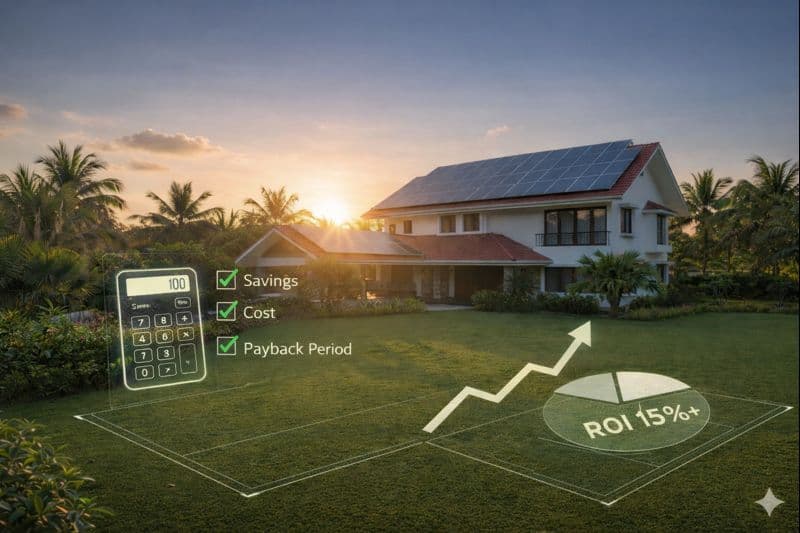
Understanding EPC: A Comprehensive Overview
Imagine you’re planning a massive construction project, whether it's a power plant, industrial facility, or major infrastructure development. You need a team that can handle everything: designing the project, sourcing the right materials, and ensuring the construction is completed on time and within budget. This is where Engineering, Procurement, and Construction (EPC) comes into play.
The EPC construction model takes the stress off your shoulders by assigning a single contractor to manage the entire process. From EPC engineers handling the technical design to procurement specialists sourcing high-quality materials and skilled workers executing the construction, EPC ensures a smooth, efficient, and cost-effective project delivery.
Engineering Procurement and Construction (EPC)
EPC is a contract-based project delivery method It is a project delivery method commonly used in large-scale construction projects, particularly in sectors such as oil and gas, power generation, and infrastructure. It includes three critical phrases:
- Designing the project (Engineering)
- Acquiring necessary materials and equipment (Procurement)
- Executing the physical construction (Construction)
What is an EPC company?
An EPC company is a firm that specializes in delivering projects using the EPC contract model. These companies handle the complete project execution process, ensuring the project is completed within a defined timeframe and budget. EPC companies are widely used in large-scale projects such as power plants, industrial facilities, highways, and commercial buildings.
Key Responsibilities of an EPC Company
An EPC company typically undertakes the following tasks:
- Engineering: Conceptualizing, designing, and planning the entire project.
- Procurement: Sourcing and purchasing materials, machinery, and equipment.
- Construction: Managing labor, installation, and commissioning of the project.
- Testing & Commissioning: Ensuring the project is fully operational and meets all safety and regulatory standards.
Roles and Responsibilities of EPC Contractors
EPC contractors play a crucial role in the successful completion of large-scale projects. Their responsibilities include:
1. Engineering & Design
EPC contractors start by designing the project. This includes:
- Conducting feasibility studies.
- Preparing detailed engineering drawings.
- Selecting suitable technologies.
- Ensuring compliance with industry standards and regulations.
2. Procurement
The procurement phase involves:
- Sourcing materials, machinery, and equipment.
- Negotiating contracts with suppliers and vendors.
- Managing logistics and supply chain processes.
3. Construction & Project Execution
During the construction phase, the EPC contractor is responsible for:
- Managing workforce and subcontractors.
- Overseeing site operations.
- Ensuring timely completion of the project.
- Maintaining quality control and adhering to safety standards.
4. Testing, Commissioning & Handover
Before handing over the project, the EPC contractor performs:
- System testing and validation.
- Inspection and quality checks.
- Operational training for the client’s team.
Benefits of Using an EPC Contractor
Hiring an EPC contractor provides multiple advantages, including:
1. Single-Point Responsibility
EPC contractors handle all aspects of the project, reducing coordination efforts for the client. This ensures smooth execution and minimizes potential conflicts.
2. Cost Efficiency
Since EPC contracts are typically fixed-price, clients benefit from cost certainty, avoiding unexpected expenses. EPC companies also leverage economies of scale in procurement, reducing material costs.
3. Faster Project Completion
EPC companies follow a streamlined project management approach, ensuring timely execution. Their expertise in engineering, procurement, and construction allows them to optimise processes and meet deadlines efficiently.
4. Reduced Risk for Clients
By outsourcing the project to an EPC contractor, clients transfer most of the project risks, including cost overruns, delays, and compliance issues. The contractor takes full responsibility for project completion.
5. Compliance with Safety & Regulations
EPC contractors ensure that the project complies with industry standards, safety regulations, and environmental guidelines, reducing legal and operational risks.
Importance of EPC Contractors
EPC contractors are essential for executing complex infrastructure and industrial projects. Their significance can be seen in:
1. Large-Scale Project Management
From power plants to highways, EPC contractors efficiently handle large projects with high investment stakes, ensuring seamless execution.
2. Industry-Specific Expertise
EPC contractors specialize in various sectors, including construction, oil & gas, renewable energy, and telecommunications, bringing sector-specific knowledge and experience.
3. Advanced Technology & Innovation
Leading EPC firms adopt the latest technology, automation, and sustainable practices to enhance project efficiency and environmental sustainability.
4. Global Expansion & Infrastructure Development
EPC contractors contribute significantly to infrastructure development worldwide, supporting economic growth and modernization.
Why Choose Hello Power as Your Trusted EPC Partner?
When selecting an EPC contractor, it’s essential to partner with a company that guarantees reliability, efficiency, and top-tier expertise. Hello Power stands out as a leading provider of EPC services for electrical installation and maintenance.
1. Expertise in Electrical Engineering & Power Solutions
Hello Power specializes in electrical contracting, power system installation, and maintenance. Our expertise in the field ensures high-quality and compliant project execution.
2. End-to-End Project Execution
From engineering and procurement to construction and commissioning, we handle every aspect of your project.
3. Cost-Effective & Timely Delivery
We optimize procurement strategies and follow a structured project management approach, ensuring that projects are completed on time and within budget.
4. Compliance & Safety Assurance
We adhere to industry standards, electrical safety regulations, and environmental policies, ensuring that all installations meet the highest safety and quality requirements.
5. Customer-Centric Approach
At Hello Power, we prioritise customer satisfaction by providing tailored solutions, transparent communication, and dedicated support throughout the project lifecycle.
Conclusion
EPC contractors play a vital role in the construction and engineering industries by managing projects from start to finish. Their ability to integrate engineering, procurement, and construction into a single contract ensures efficient, cost-effective, and timely project execution.
If you need a reliable EPC partner for electrical installation and maintenance, Hello Power is the perfect choice. Contact us today to discuss how we can power your next project! Or Download our app for quick bookings!