Introduction
Solar energy adoption is growing rapidly across India. While rooftop solar systems are common, many apartment residents do not have access to rooftops. Balcony solar panels provide a practical alternative, allowing homeowners and renters to generate clean energy even in small living spaces.
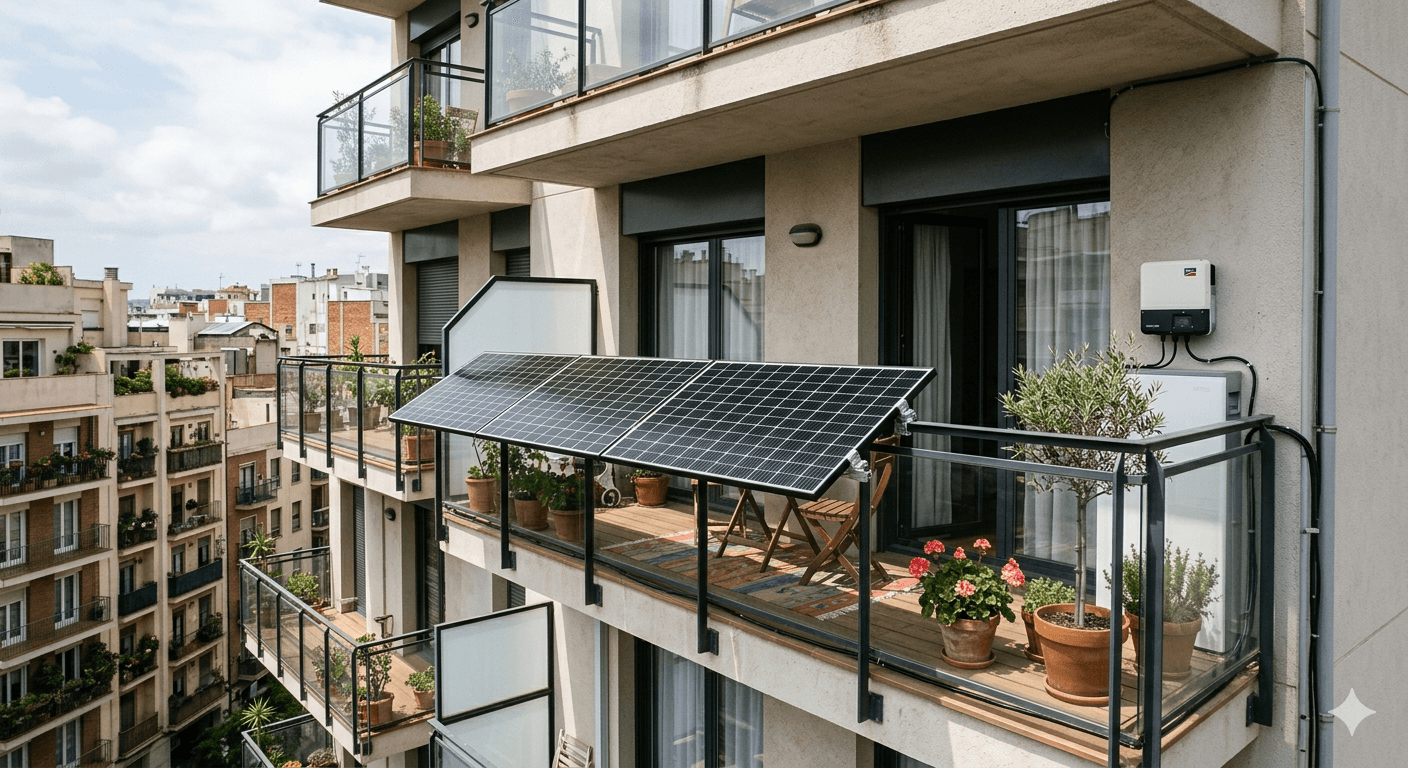
Modern solar panels are lighter, compact, and versatile enough to be installed on railings, walls, or balcony floors. With the right setup, balcony solar systems can help power small appliances, charge devices, and reduce reliance on grid electricity.
Why Install Solar Panels on a Balcony?
A Practical Option for Apartment Living
In many urban apartments, balconies are the only private spaces that receive direct sunlight. Installing solar panels on balconies allows residents to generate renewable energy without making structural changes to the building.
Ideal for Renters and Small Homes
Balcony solar systems are often portable and require minimal installation. Renters can install them without permanent wiring or drilling and can easily move them when changing homes.
Support for Everyday Power Needs
Although balcony solar panels cannot replace large rooftop systems, they can power essential low-energy devices such as:
- LED lighting
- Mobile phones and laptops
- Wi-Fi routers
- Small fans or electronics
Even small solar setups can contribute to lowering electricity bills and reducing carbon footprint.
Things to Check Before Installing Balcony Solar Panels
Before installing a balcony solar panel system, consider the following factors:
Sunlight Availability
Your balcony should receive at least 3–4 hours of direct sunlight daily. South- or west-facing balconies typically provide the best exposure.
Available Space
Measure the balcony railing, wall, or floor space to determine the size and number of panels you can install.
Building Permissions
Check with your landlord or housing society to confirm whether exterior installations are allowed.
Structural Safety
Ensure the balcony can safely support the weight of solar panels and mounting frames, especially in high-rise buildings.
Electrical Connection
Decide whether you will use:
- Plug-and-play solar kits, or
- Systems connected to an inverter or power station
Maintenance Access
You should be able to easily clean and maintain the panels since dust and pollution can reduce efficiency.
Types of Solar Panels Suitable for Balconies
Rigid Solar Panels
Traditional photovoltaic panels are durable and efficient. They work best on balconies with sufficient mounting space and solid railings.
Flexible Solar Panels
Flexible panels are lightweight and can be mounted on curved surfaces or metal railings. They are ideal for balconies that cannot support heavy installations.
Plug-and-Play Solar Kits
These compact kits include small panels, micro-inverters, and portable power stations. They are easy to install and popular among renters.
Portable Foldable Solar Panels
Foldable panels are movable and can be placed in the sunniest area of the balcony. They are useful for spaces with limited sunlight.
Choosing the Right Solar Panel Size
Balcony solar systems are typically designed for small-scale electricity needs:
- 50–150 W: Charging phones, LED lights, and small electronics
- 150–300 W: Fans, laptops, Wi-Fi routers, and low-power appliances
- 300–500 W: More consistent power support for multiple small devices
The key is to match the panel size with realistic energy requirements.
Steps to Install Solar Panels on a Balcony
1. Identify the Sunniest Spot
Observe which part of the balcony receives the most sunlight throughout the day.
2. Select a Mounting Method
Common mounting options include:
- Railing-mounted brackets
- Wall-mounted frames
- Floor-mounted angled stands
3. Adjust the Panel Angle
Tilting the panel 20–30 degrees can improve solar energy generation.
4. Connect to an Inverter or Power Station
Most balcony systems use plug-and-play setups connected to a portable power station or micro-inverter.
5. Secure Wiring Properly
Ensure cables are safely routed along balcony edges and protected from rain or accidental damage.
6. Test the System
Check the inverter or power station display to confirm that the panel is generating electricity.
Maintenance Tips for Balcony Solar Panels
Balcony solar panels require minimal maintenance, but regular cleaning helps maintain efficiency.
Recommended practices include:
- Cleaning panels every 2–3 months to remove dust and bird droppings
- Checking mounting brackets and wiring occasionally
- Monitoring sunlight exposure as surrounding buildings or structures change
Proper maintenance ensures consistent energy generation and longer panel lifespan.
Conclusion
Hello Power concludes that Balcony solar panels are an excellent solution for apartment residents who want to adopt renewable energy without rooftop access. While they cannot fully replace large solar installations, they can significantly support everyday power needs.
With proper sunlight exposure, the right panel size, and safe installation, balcony solar systems provide a cost-effective way to start generating clean energy at home.