Introduction
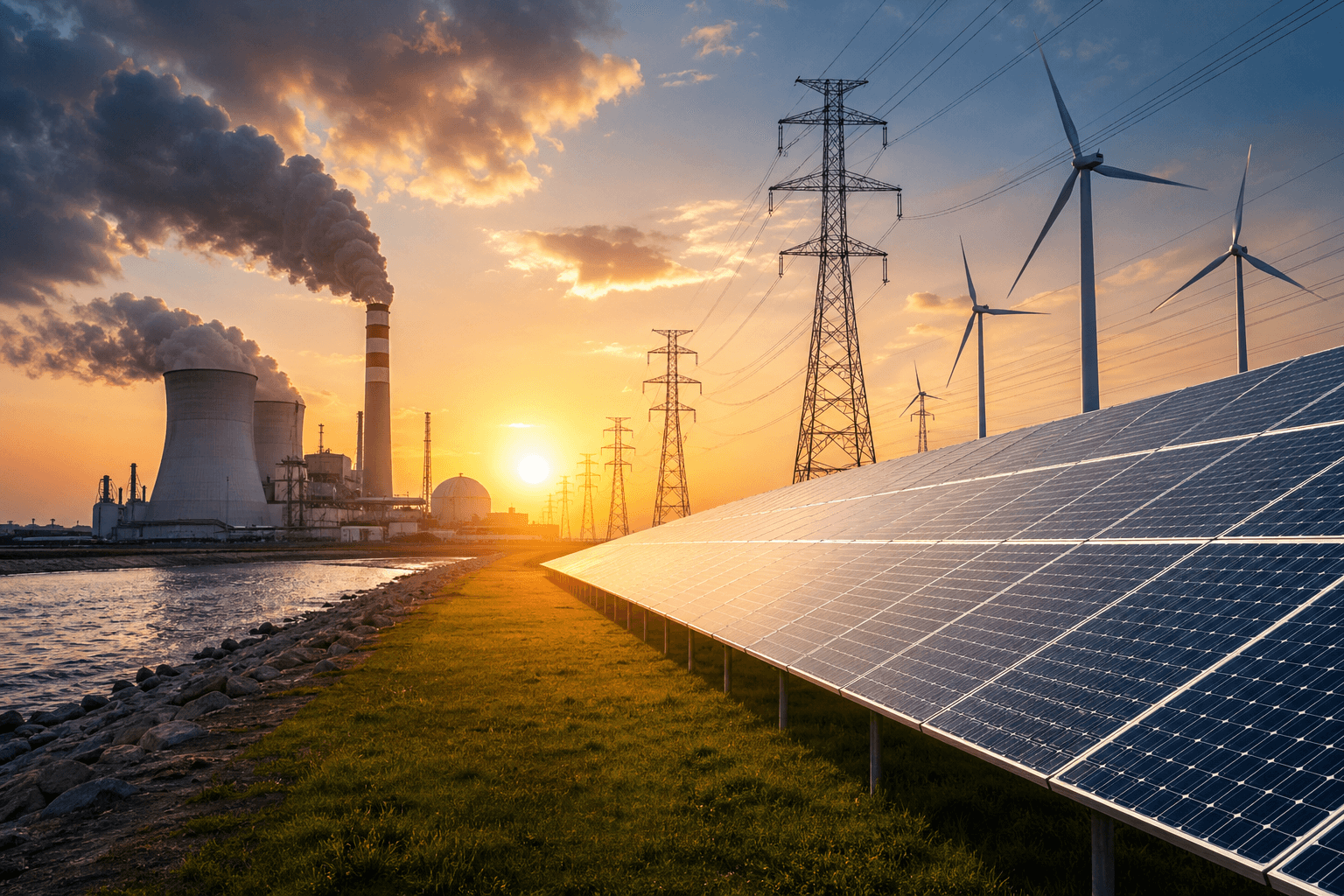
India’s solar story has moved far beyond early-stage adoption—it is now a defining force in the country’s economic and infrastructural growth.
A decade ago, solar energy was discussed with hesitation:
Could it scale? Would it become affordable? Could it truly replace conventional power?
Today, those uncertainties have largely disappeared. India stands among the global leaders in solar deployment, consistently ranking at the top in renewable expansion. With rapid capacity additions and strong policy backing, solar energy is no longer an “alternative”—it is central to India’s power strategy.
But the journey ahead is not just about installing more panels. The next chapter is about building a resilient, intelligent, and inclusive solar ecosystem that can support India’s rising energy demand.
From Capacity Growth to System Transformation
As India progresses, the focus is shifting from “how much solar we install” to “how well solar integrates into the energy system.”
Future success will depend on:
- Grid reliability and flexibility
- Strong domestic manufacturing
- Advanced digital monitoring
- Seamless consumer experience
India’s growing energy demand makes affordability and accessibility critical. Solar must not only scale—it must serve every segment of society efficiently and reliably.
This transformation requires collaboration between policymakers, utilities, technology providers, and energy companies working together toward a unified vision.
Building a Nationwide Solar Ecosystem
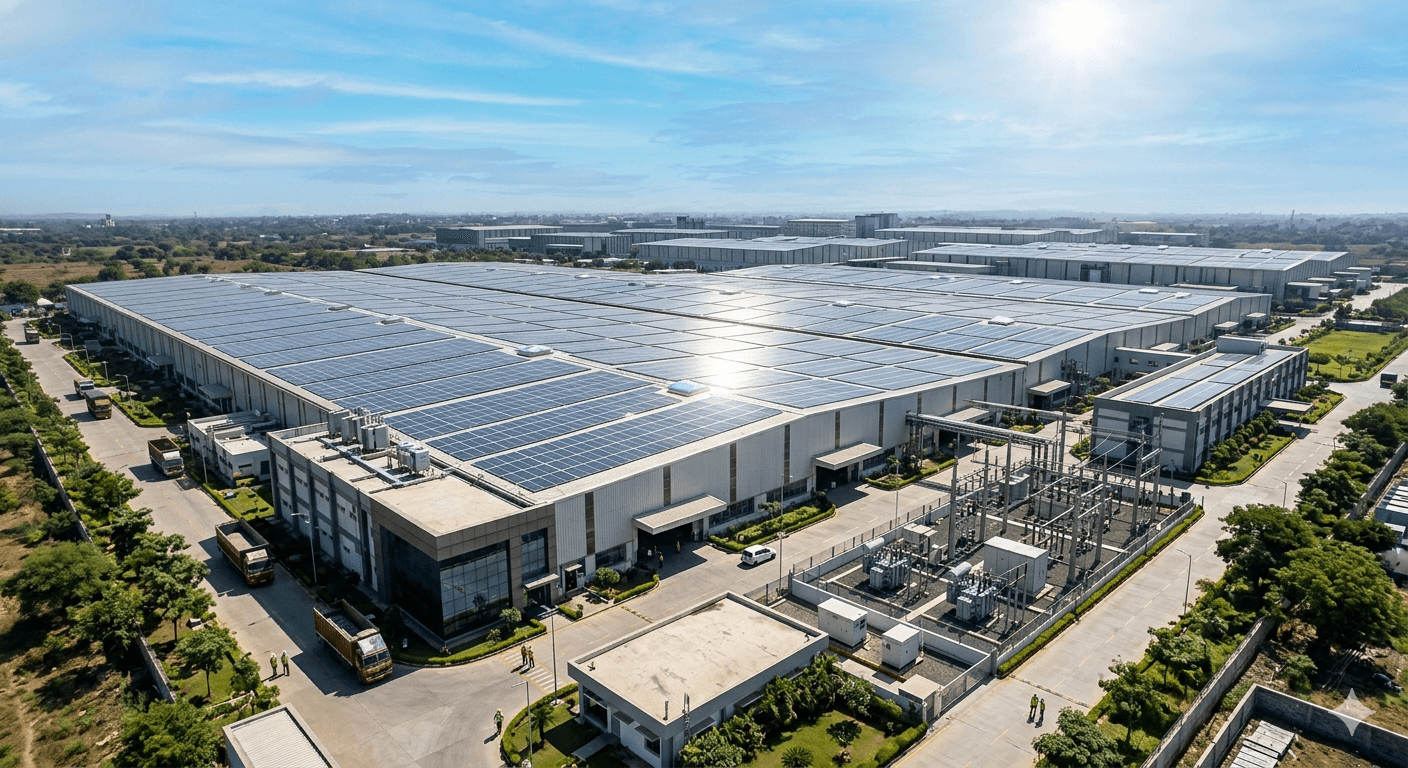
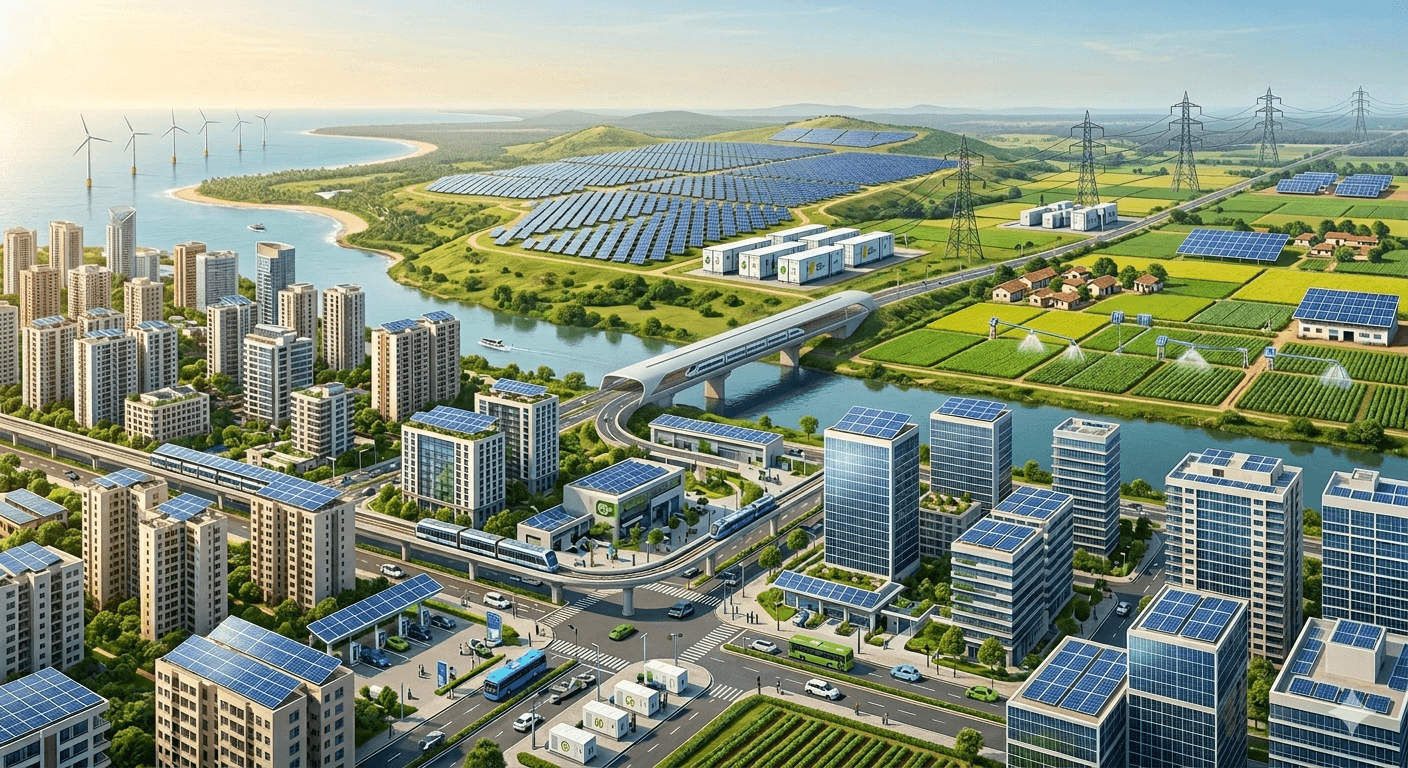
The solar revolution will not be limited to large power plants. It will extend across cities, industries, and rural communities, creating a deeply interconnected energy network.
Key areas of collaboration include:
- Research in high-efficiency solar technologies
- Skill development for installation and maintenance
- Strengthening domestic manufacturing supply chains
- Modernizing grid infrastructure
- Establishing transparent ESG frameworks
- Piloting emerging technologies like hydrogen and energy storage
When industry and government move in sync, execution becomes faster and more effective—accelerating India’s transition to clean energy.
Rooftop Solar: Powering Consumers Directly
One of the biggest opportunities lies in rooftop solar. Homes, small businesses, and housing societies collectively represent a massive untapped energy resource.
However, adoption depends heavily on simplicity and trust. Consumers are more likely to switch when they receive:
- Easy-to-use digital platforms
- Clear cost and savings visibility
- Flexible financing options
- Reliable installation services
- Visually appealing system designs
The goal is to make solar adoption feel as simple as purchasing any modern home appliance—efficient, transparent, and dependable.
Challenges of a Solar-Dominant Grid
As solar becomes a major part of the energy mix, new complexities emerge. These are not setbacks—they are signals of maturity in the system.
1. Managing Variability
Solar generation depends on weather conditions, making accurate forecasting essential. AI-driven analytics and real-time data will play a key role in maintaining grid stability.
2. Transmission Limitations
Regions with high solar generation often outpace transmission capacity. Expanding grid infrastructure and building green energy corridors will be crucial.
3. Distributed Energy Integration
With rooftop systems, EV charging, and microgrids increasing, distribution networks must evolve into smarter, digitally managed systems.
Each of these challenges opens the door for innovation and technological advancement.
Energy Storage: The Backbone of Reliability
For solar to become a dependable, round-the-clock energy source, storage solutions are essential.
Technologies like battery storage and pumped hydro will enable:
- Power availability during peak evening demand
- Improved grid stability
- Better handling of sudden fluctuations
- Reliable backup during outages
Storage transforms solar from an intermittent source into a firm and dispatchable energy solution, strengthening the entire grid.
Empowering Rural India Through Distributed Solar
Solar energy is playing a transformative role in rural India by improving reliability and enabling economic growth.
Decentralized systems and microgrids are supporting:
- Agricultural productivity
- Small-scale industries
- Cold storage and supply chains
- Digital and education services
In the coming years, distributed solar will form the backbone of rural development, enabling energy access where traditional infrastructure struggled to reach.
Policy Evolution and Market Stability
India’s regulatory landscape is evolving to support long-term solar growth. The focus is now on creating a stable, predictable environment for investors and developers.
Key policy directions include:
- Planning for reliable renewable energy supply
- Encouraging energy storage adoption
- Boosting domestic manufacturing
- Simplifying open-access regulations
- Improving forecasting and scheduling standards
- Promoting solar panel recycling and sustainability
Balanced pricing will also be critical—ensuring affordability for consumers while maintaining financial health across the ecosystem.
Financing the Next Generation of Energy Assets
Future energy systems will require large-scale investments in:
- Storage solutions
- Hybrid renewable projects
- Microgrids and decentralized systems
- Smart grid technologies
Global capital is increasingly flowing into clean energy markets with strong governance and transparency. Innovative financing tools like green bonds and blended finance will accelerate deployment.
Digitalization: Redefining the Energy Experience
Technology is turning energy consumers into active participants. With smart tools and connected systems, users can now:
- Monitor energy generation in real time
- Track savings and consumption patterns
- Optimize usage based on tariffs
- Export excess energy to the grid
- Detect system issues early
This shift enhances transparency, builds trust, and improves overall adoption of solar solutions.
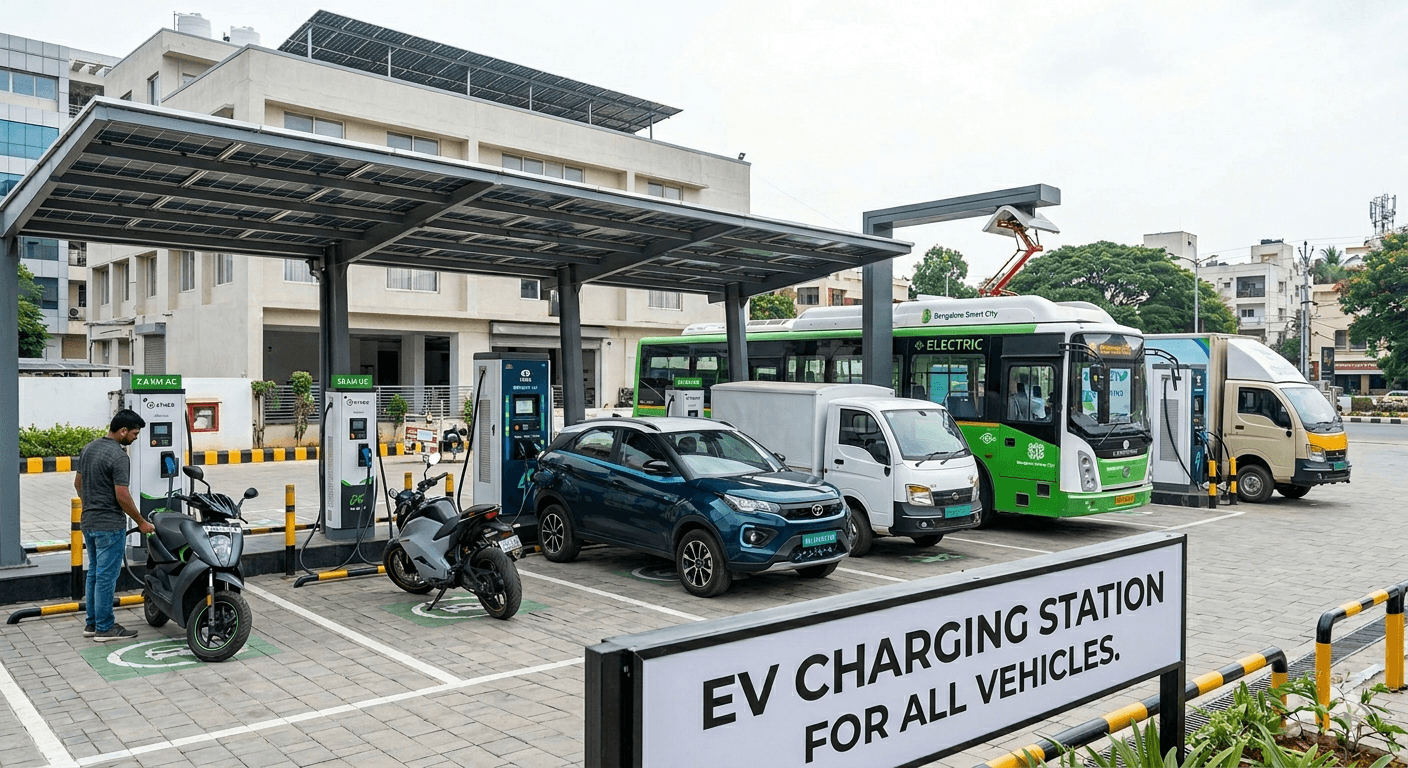
Urban Transformation: Solar Meets Smart Mobility
Cities are evolving into integrated energy ecosystems where solar plays a central role.
Key developments include:
- Solar-powered EV charging infrastructure
- Intelligent grid systems
- Smart city energy management platforms
These advancements will define sustainable urban living in the coming decade.
The Role of Global Collaboration
India’s solar growth is being strengthened through international partnerships that bring advanced technologies and investment models.
Areas of collaboration include:
- High-efficiency solar modules
- Green hydrogen innovation
- Grid stabilization technologies
- Recycling and circular economy practices
- Advanced financing mechanisms
Such partnerships accelerate innovation and help India remain globally competitive.
Hello Power’s Vision for India’s Solar Future
At Hello Power Private Limited, we see ourselves as more than a service provider—we are contributors to India’s evolving energy ecosystem.
Our approach focuses on:
1. Integrated Energy Solutions
Combining rooftop solar, distributed systems, and smart technologies to deliver efficient energy solutions.
2. Technology-Driven Operations
Using digital tools, monitoring systems, and analytics to enhance performance and reliability.
3. Customer-Centric Approach
Ensuring a seamless experience from consultation to installation and long-term support.
4. Supporting Local Ecosystems
Encouraging domestic sourcing, skilled workforce development, and sustainable practices.
5. Enabling Clean Energy Adoption
Helping businesses and households transition to solar with confidence and clarity.
Looking Ahead: India’s Solar Decade
By 2035, solar energy will be deeply embedded in India’s economy—powering industries, enabling rural growth, and shaping modern cities.
The focus will no longer be just on energy generation, but on creating a resilient, adaptive, and intelligent energy system that supports long-term growth.
India’s solar journey is no longer about possibility—it is about execution at scale.
And as this transformation unfolds, companies like Hello Power will play a vital role in making clean energy accessible, reliable, and impactful for every segment of society.