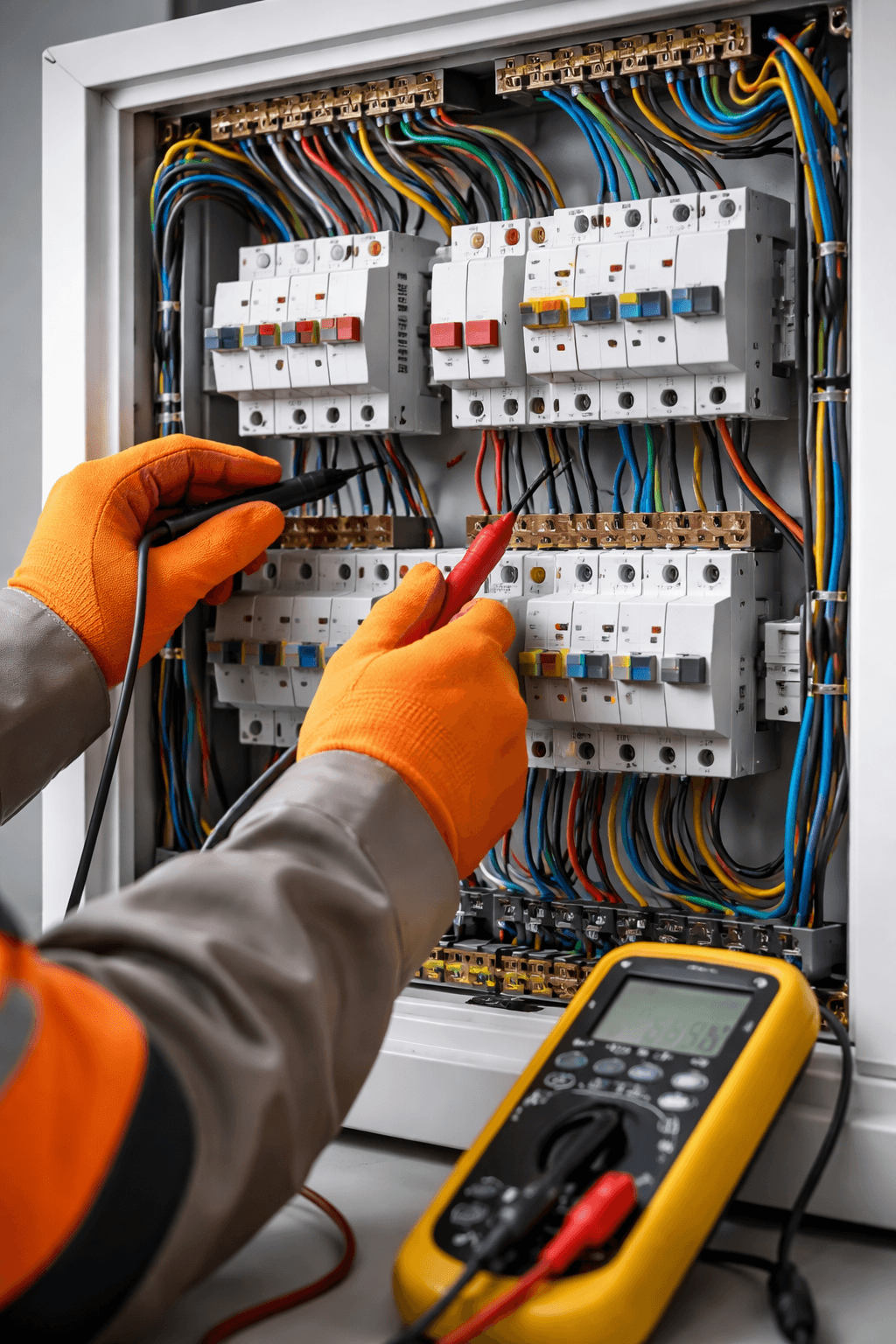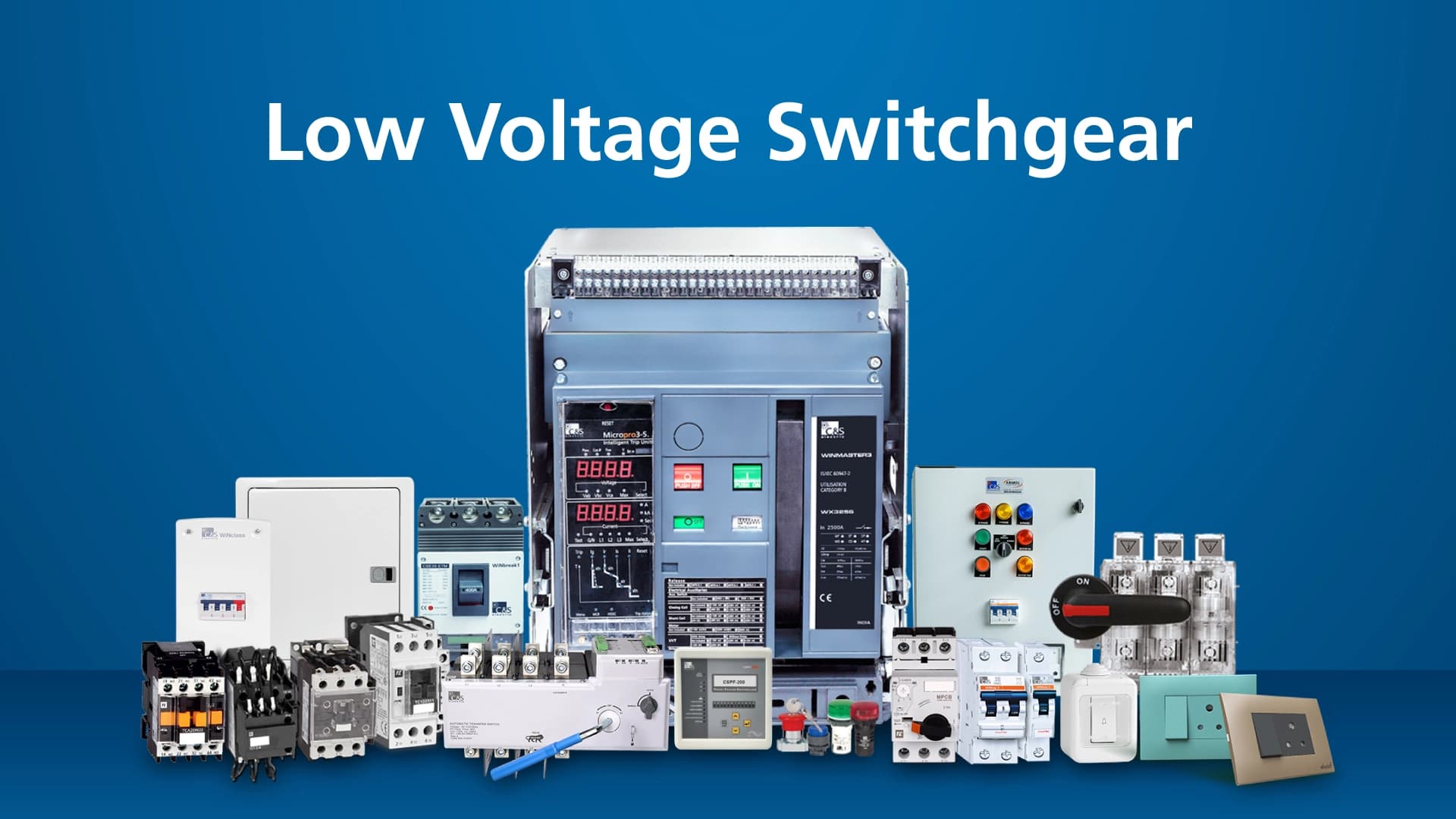
In today's electrically powered world, businesses, industries, hospitals, commercial buildings, and data centers depend on a reliable power distribution system. While transformers, generators, and cables often receive attention, one critical component quietly ensures safety and uninterrupted power flow behind the scenes—Low Voltage (LV) Switchgear.
From protecting electrical equipment against faults to enabling safe maintenance operations, LV switchgear plays a vital role in modern electrical infrastructure. Whether you manage a manufacturing facility, office complex, healthcare institution, or commercial establishment, understanding the importance of low voltage switchgear can help improve safety, reliability, and operational efficiency.
At Hello Power, we help customers access quality electrical products and services that support safe and efficient power distribution systems.
What is Low Voltage Switchgear?
Low Voltage Switchgear is an assembly of electrical devices designed to control, protect, isolate, and distribute electrical power within low-voltage systems.
A system is generally considered low voltage when it operates at 1,000V AC or below. Common operating voltages include:
- 220V 240V 415V 480V 600V
The primary purpose of LV switchgear is to ensure that electrical power reaches its intended destination safely while protecting equipment and personnel from electrical hazards.
Main Functions of LV Switchgear
Low voltage switchgear performs several critical functions:
1. Electrical Protection
Protects electrical circuits and connected equipment against:
- Overloads
- Short circuits
- Ground faults
- Electrical disturbances
2. Power Control
Enables operators to switch electrical circuits ON or OFF during normal operations.
3. Electrical Isolation
Allows sections of the system to be safely disconnected for maintenance, inspection, or repairs.
4. Fault Management
Quickly detects and isolates faulty sections to prevent widespread outages and equipment damage.
Key Components of Low Voltage Switchgear
A typical LV switchgear assembly consists of several essential components working together to ensure safe operation.
Circuit Breakers
Circuit breakers are among the most important protective devices in switchgear systems.
They automatically interrupt electrical current when abnormal conditions occur, such as:
- Overloads
- Short circuits
- Fault currents
Common types include:
- Air Circuit Breakers (ACBs)
- Moulded Case Circuit Breakers (MCCBs)
These devices help prevent equipment damage and reduce fire risks.
Busbars
Busbars are conductive strips made from:
- Copper & Aluminium
They serve as the primary pathways for distributing electrical power throughout the switchgear assembly.
Benefits include:
- Efficient power transfer
- Reduced energy losses
- Compact power distribution design
Fuses
Fuses provide overcurrent protection by melting when current exceeds safe limits.
Their advantages include:
- Fast fault response
- Simple design
- Cost-effective protection
They are commonly used as backup protection for smaller circuits.
Protective Relays
Protective relays continuously monitor electrical parameters and identify abnormal operating conditions.
When a fault is detected, the relay sends a signal to the circuit breaker to trip and isolate the affected section.
These intelligent devices enhance system reliability and safety.
Switches and Isolators
Switches and isolators allow electrical circuits to be disconnected from the power source.
Their primary purpose is to:
- Facilitate safe maintenance
- Prevent accidental energization
- Improve worker safety
Unlike circuit breakers, isolators are typically operated only when the circuit is de-energized.
Enclosures
The enclosure houses and protects all internal switchgear components.
Modern enclosures provide:
- Mechanical protection
- Dust resistance
- Water ingress protection
- Operator safety
Many designs comply with international IP rating standards to ensure durability in various environments.
Types of Low Voltage Switchgear Assemblies
The construction of switchgear significantly affects maintenance requirements, operational flexibility, and overall system reliability.
Fixed Type Switchgear
In fixed-type switchgear, major components such as circuit breakers are permanently mounted within the assembly.
Advantages
- Lower installation cost
- Compact design
- Simple construction
- Suitable for small and medium applications
Limitations
- Maintenance requires shutting down part or all of the system
- Longer downtime during repairs
Fixed-type switchgear is often used in commercial buildings and smaller industrial facilities.
Withdrawable Type Switchgear
Withdrawable switchgear uses circuit breakers mounted on sliding mechanisms or trolleys.
The breaker can be removed from its compartment without completely shutting down adjacent sections.
Advantages
- Faster maintenance
- Reduced downtime
- Improved safety
- Easy replacement of components
Limitations
- Higher initial cost
- Larger footprint
Because of its flexibility and reliability, withdrawable switchgear is commonly used in critical facilities where continuous power is essential.
Where is Low Voltage Switchgear Used?
LV switchgear is found in virtually every modern electrical distribution system.
Data Centers
Data centers require uninterrupted power to keep servers, networking equipment, and storage systems operational.
LV switchgear helps:
- Protect critical infrastructure
- Minimize downtime
- Support backup power systems
Hospitals
Healthcare facilities depend on reliable electricity for:
- Life-support equipment
- Operating theatres
- Diagnostic systems
- Emergency services
Switchgear ensures that critical systems continue functioning even during electrical disturbances.
Manufacturing Plants
Industrial facilities rely on switchgear to manage power for:
- Heavy machinery
- Production lines
- Motors
- Automation systems
Effective protection helps prevent costly production interruptions.
Commercial Buildings
Office complexes, shopping centers, and high-rise buildings use LV switchgear to distribute power for:
- Lighting systems
- HVAC equipment
- Elevators
- Emergency systems
Educational Institutions
Schools, colleges, and universities depend on switchgear for safe and efficient power distribution across campuses.
Infrastructure Projects
Airports, railway stations, metro systems, and public utilities use LV switchgear to support critical operations and public safety.
Importance of Maintenance and Safety
Even the most advanced switchgear system requires regular maintenance to perform reliably.
Proper maintenance helps:
- Prevent unexpected failures
- Extend equipment lifespan
- Improve energy efficiency
- Enhance workplace safety
- Reduce operational costs
Routine inspections should include:
- Visual checks
- Thermal scanning
- Contact resistance testing
- Cleaning and tightening connections
- Functional testing of protective devices
Understanding Arc Flash Hazards
One of the most serious risks associated with electrical systems is an arc flash.
An arc flash is a sudden release of energy caused by an electrical fault. It can produce:
- Extreme heat
- Intense light
- Pressure waves
- Flying debris
These incidents can result in severe injuries, equipment damage, and extended downtime.
Modern switchgear systems incorporate several technologies to reduce these risks.
Arc Flash Protection Technologies
Arc-Resistant Switchgear
Arc-resistant switchgear is specifically designed to contain and redirect arc flash energy away from personnel.
Key benefits include:
- Enhanced operator protection
- Reduced injury risk
- Improved workplace safety
Zone Selective Interlocking (ZSI)
Zone Selective Interlocking is an intelligent protection scheme that improves fault coordination.
When a fault occurs:
- The breaker closest to the fault trips first
- Unaffected sections continue operating
- Power interruptions are minimized
This results in faster fault isolation and improved system reliability.
High-Speed Arc Quenching Systems
Advanced arc quenching systems use sensors to detect arc faults within milliseconds.
Once detected, protective devices rapidly extinguish the arc before significant damage occurs.
Benefits include:
- Reduced equipment damage
- Improved personnel safety
- Lower repair costs
- Faster recovery after faults
How Hello Power Supports Safe Power Distribution
At Hello Power, we understand the importance of reliable electrical infrastructure. Our platform connects customers with quality electrical products, trusted service providers, and expert support for industrial, commercial, and residential projects.
Whether you're planning a new installation, upgrading an existing electrical system, or sourcing switchgear-related products, Hello Power helps simplify the process through a convenient online and offline service network.
Conclusion
Low Voltage Switchgear is one of the most important yet often overlooked components of any electrical distribution system. It serves as the first line of defense against electrical faults while ensuring safe, reliable, and efficient power delivery.
From circuit breakers and protective relays to advanced arc flash protection technologies, modern LV switchgear plays a crucial role in safeguarding equipment, facilities, and personnel. Whether used in hospitals, factories, data centers, or commercial buildings, its contribution to operational continuity cannot be overstated.
By investing in properly designed, maintained, and protected switchgear systems, organizations can improve safety, reduce downtime, and ensure long-term electrical reliability. With Hello Power, businesses and homeowners can access the products, expertise, and services needed to build a safer and more dependable power distribution network.