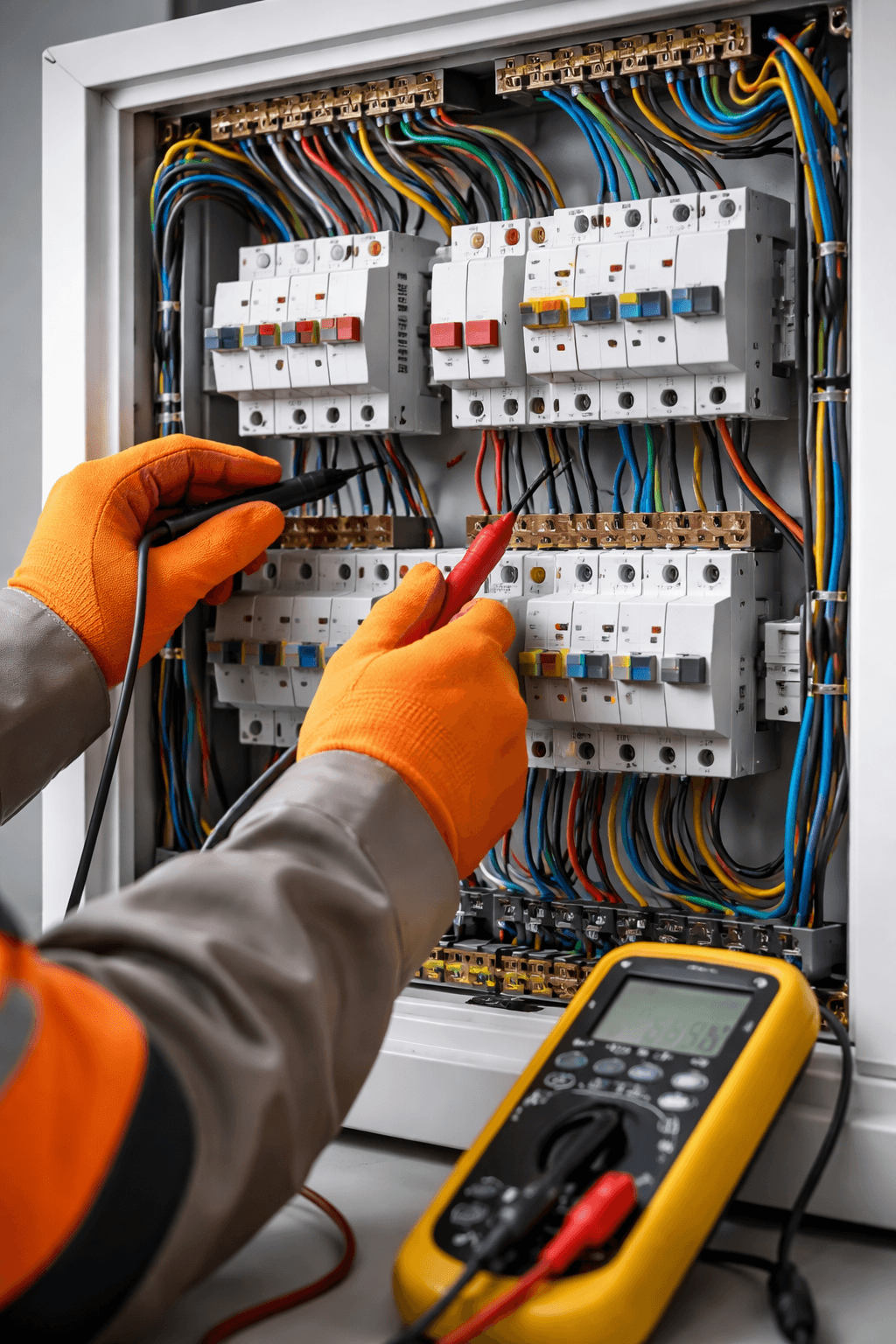
In modern electrical projects, a lot of attention goes into selecting high-quality power cables, control cables, and specialized electrical cables. But here’s the uncomfortable truth: even the best cable in the world can fail if it’s laid incorrectly. Across residential, commercial, industrial, and infrastructure projects, a large percentage of electrical failures happen not because of manufacturing defects—but due to poor cable laying practices. Incorrect routing, tight bends, moisture exposure, uneven mechanical stress, and improper grounding slowly degrade insulation and conductors. Over time, this leads to voltage drops, overheating, short circuits, equipment damage, and in extreme cases, electrical fires. At HelloPower Private Limited, we’ve seen firsthand how installation quality directly determines the lifespan and safety of electrical systems. Let’s break down why proper cable laying is critical and how correct practices protect your project for years to come. Cable Quality Alone Is Not Enough Selecting the right cable type is only half the job. Installation is where success or failure is decided. Even premium-grade electrical cables can develop: ● Insulation cracks ● Conductor fatigue ● Hot spots and thermal stress ● Early breakdown under load These issues usually start small and invisible—but they compound over time. Proper cable laying is not a cosmetic detail; it is a core part of electrical system engineering.
1. Understanding Cable Failure: Where Problems Begin Cable failure rarely happens overnight. It develops gradually due to: ● Excessive bending ● Uneven pulling tension ● Mechanical abrasion ● Poor support ● Inadequate earthing These stresses weaken insulation and transfer strain to copper or aluminium conductors. Over time, this causes micro-cracks, conductor deformation, and insulation breakdown. That’s why correct laying methods must be part of project planning—not an afterthought on site.
2. Proper Routing and Mechanical Protection Improper routing is one of the most common causes of cable damage. Cables laid: ● Over sharp edges ● On uneven surfaces ● In congested trays ● Without proper clamps …are constantly exposed to friction and mechanical stress. Best Practices: ● Use cable trays, conduits, ducts, and proper supports ● Maintain spacing to prevent compression ● Avoid contact with sharp metal edges ● Provide additional protection in high-traffic or vibration zones Even armoured cables need proper routing. Armour adds protection, but it cannot compensate for careless installation.
3. Bending Radius: Small Mistake, Big Damage Every cable comes with a minimum bending radius specified by the manufacturer. Ignoring this is one of the fastest ways to cause long-term damage. Tight bends create internal stress that: ● Weakens insulation ● Distorts conductors ● Creates hidden hot spots Over time, these areas heat up under load, accelerating failure. Maintaining the correct bending radius ensures stable current flow and long-term reliability, especially in long cable runs and high-load power systems.
4. Grounding and Earthing: The Safety Backbone Improper earthing is a major contributor to cable and equipment failure. When armoured or shielded cables are not properly grounded: ● Fault currents have no safe discharge path ● Insulation damage increases ● Equipment faces higher failure risk ● Personnel safety is compromised Correct grounding: ● Protects cables from fault energy ● Reduces electrical shock risk ● Improves system stability ● Enhances fault protection performance At HelloPower, grounding is treated as a design priority, not a checkbox activity.
5. Environmental Factors: Install for the Conditions, Not Just the Spec Sheet Cables face harsh environments: ● Underground moisture ● Outdoor UV exposure ● Heat from machinery ● Chemical exposure in industrial plants Ignoring environmental conditions leads to premature degradation. Examples: ● Underground cables require proper bedding and moisture protection ● Outdoor cables need UV-resistant routing and secure support ● High-temperature zones require thermal spacing and heat-resistant installation ● Renewable energy and solar DC cable installations demand outdoor-rated routing and strain management Installation must match the environment—not just the cable rating.
6. Tension and Load Management During Installation Excessive pulling tension stretches conductors and damages insulation—often invisibly. This is especially risky for: ● Long-distance cable runs ● Vertical installations ● Large-diameter power cables ● Flexible cables Best Practices: ● Use cable rollers ● Apply controlled pulling tension ● Avoid jerks and sudden force ● Maintain even load distribution These methods preserve the cable’s designed electrical and mechanical properties and prevent early-life failures.
7. Segregation of Different Cable Types Running power cables alongside data, communication, or control cables without proper spacing leads to: ● Electromagnetic interference (EMI) ● Signal distortion ● Unstable automation performance Proper segregation ensures: ● Signal integrity ● System reliability ● Reduced noise interference This is especially critical in automation, control systems, and smart infrastructure projects.
8. Why Installation Standards Matter Electrical standards don’t just define cable construction—they define how cables must be installed. Following national and international installation guidelines ensures: ● Safety compliance ● Predictable system performance ● Easier maintenance ● Legal and regulatory protection Standards exist because countless failures have already taught the industry what not to do.
9. Long-Term Benefits of Proper Cable Laying Correct installation delivers: ● Longer cable lifespan ● Lower thermal stress ● Reduced breakdowns ● Lower maintenance costs ● Improved system uptime ● Safer working environments In large industrial and infrastructure projects, the savings from fewer failures often exceed the cost of proper installation practices many times over.
10. Cable Laying Is a Shared Responsibility Successful electrical systems depend on: ● Engineers designing with installation in mind ● Contractors following best practices on site ● Consultants verifying compliance ● Vendors supplying suitable cable solutions Choosing a reliable cable brand is important—but execution on site determines real-world performance.
At HelloPower Private Limited, we take ownership of the full lifecycle: design, routing, laying, termination, grounding, testing, and maintenance.
Conclusion
Installation Quality Defines Electrical Safety High-quality cables are essential—but proper cable laying is what protects your investment and your people. From routing and bending radius to grounding and environmental protection, every installation decision impacts: ● Electrical safety ● System reliability ● Equipment lifespan ● Fire risk prevention When done right, electrical cables deliver stable power, protect assets, and safeguard lives. When done wrong, even the best cable becomes a safety risk. If you’re planning an electrical project and want it done right the first time, HelloPower Private Limited is your trusted partner for professional cable laying and electrical installation services.