
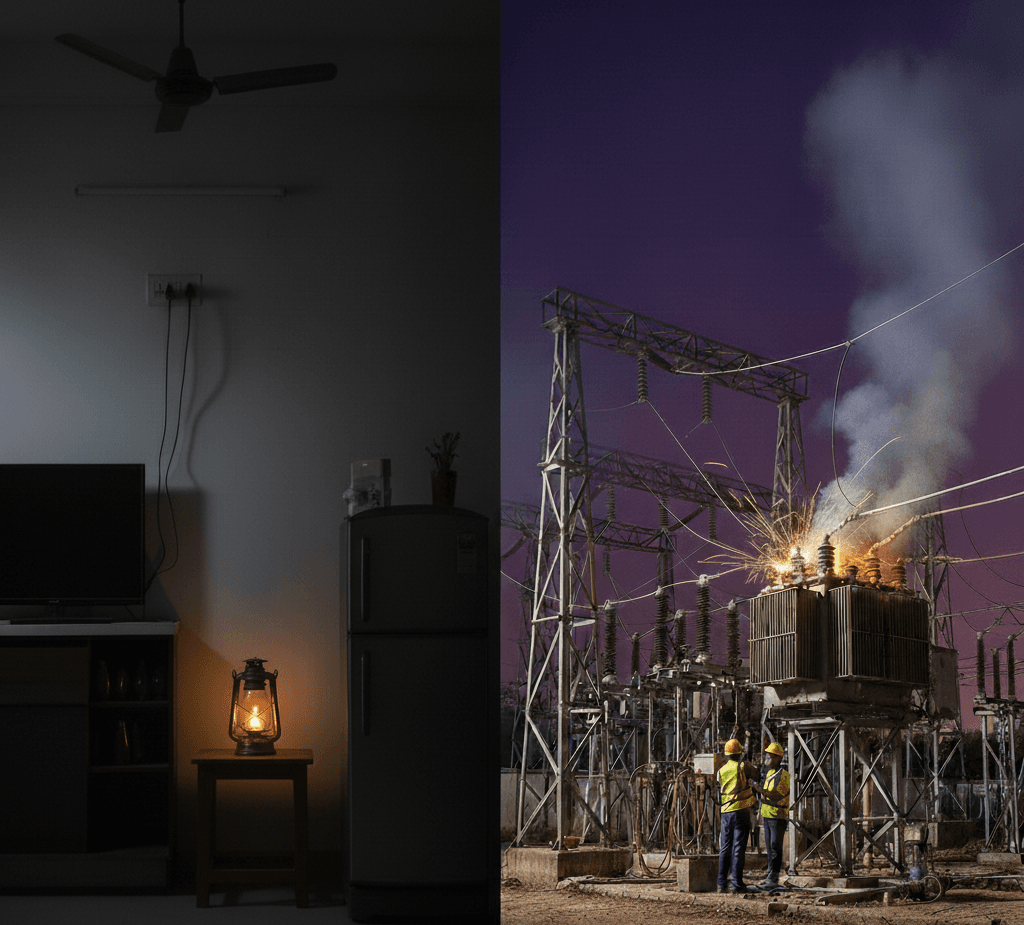
Karnataka Set to Face Its Highest-Ever Power Demand
Karnataka is expected to record an all-time high peak electricity demand of 19,000 MW during the upcoming summer, surpassing last year’s peak of 17,220 MW.
The estimate, announced by Energy Minister K.J. George, is based on AI-driven analysis by the State Load Dispatch Centre (SLDC) and Power Corporation of Karnataka Ltd., factoring in weather patterns, consumption trends, and urban growth.
While the State has expressed confidence in meeting the demand, such high consumption levels place immense pressure on the electricity grid, local infrastructure, and end-user electrical systems.
Why Peak Demand Matters to Everyone
High peak demand does not only affect power generation—it impacts how electricity reaches homes, businesses, and industries.
During peak summer months:
• Electrical networks operate close to capacity
• Transformers and feeders face heavy load stress
• Voltage fluctuations become more frequent
• Equipment failures are more likely
• Maintenance response time becomes critical
Both consumers and electrical professionals play a role in ensuring system stability.
AI-Based Forecasting: A Shift in Power Planning
The use of artificial intelligence for demand forecasting signals a more proactive approach to energy management.
By analyzing:
• Historical demand data
• Weather and heatwave trends
• Urban and industrial load growth
• Seasonal consumption behavior
utilities can better anticipate stress points. However, forecasting alone cannot prevent local-level issues if infrastructure and usage patterns are not aligned.
How Homes and Businesses Are Affected
For residential and commercial consumers, high demand periods may lead to:
• Higher electricity consumption and bills
• Increased load on internal wiring systems
• Tripping of MCBs and RCCBs
• Reduced equipment lifespan due to overheating
• Higher dependency on backup power systems
Ensuring internal electrical systems are designed for peak loads is crucial.
What Electrical Service Providers Must Watch For
Electrical contractors and service providers may observe:
• Surge in breakdown and maintenance calls
• Load enhancement requests
• Overloaded distribution panels
• Transformer capacity constraints
• Safety concerns due to aging infrastructure
Preventive inspections and system upgrades become essential during peak-demand seasons.
Shared Responsibility: Preparing for Summer Demand
For Consumers:
• Avoid overloading sockets and extension cords
• Schedule electrical safety checks before summer
• Upgrade outdated wiring and panels
• Use energy-efficient appliances
• Plan backup power responsibly
For Electrical Professionals:
• Conduct load audits and safety inspections
• Verify cable sizing and protection systems
• Assess transformer and panel capacities
• Educate clients on safe electricity usage
• Promote preventive maintenance over reactive repairs
Opportunities Hidden in High Demand
Rising power demand also opens avenues for improvement:
• Electrical safety audits
• Energy-efficient retrofitting
• Solar and battery integration
• Load balancing solutions
• Smart monitoring systems
These measures benefit both end users seeking reliability and service providers aiming for long-term value creation.
How Hello Power Bridges the Gap
Hello Power works at the intersection of consumers and electrical professionals by offering:
• Load assessment and safety audits
• Electrical system optimization
• BESCOM coordination and compliance support
• Advisory services for peak-load readiness
• Reliable electrical service partnerships
Our goal is to ensure safe, uninterrupted power for users while enabling professionals to deliver compliant, high-quality services.
Key Takeaway
Karnataka’s projected 19,000 MW summer peak demand is a reminder that electricity reliability depends on planning, infrastructure, and responsible usage.
When consumers stay informed and electrical professionals stay prepared, the system performs better, especially during periods of extreme demand.
Conclusion
Karnataka’s projected 19,000 MW peak demand highlights the growing pressure on the State’s power infrastructure.
While AI-driven forecasting and advance planning strengthen supply readiness, local electrical systems must also be prepared for higher loads.
Consumers play a key role through safe usage, energy efficiency, and timely electrical upgrades.
Electrical service providers must focus on preventive maintenance, load management, and safety compliance.
Together, informed consumers and prepared professionals can ensure reliable power during peak summer demand.
