Introduction
Lighting is one of the most essential aspects of every home, but it's also an area where many homeowners unknowingly waste energy and money. While traditional incandescent bulbs have been the standard for decades, modern lighting technologies like LED bulbs offer superior energy efficiency, longer lifespan, and lower maintenance costs.
By simply replacing outdated light bulbs with energy-efficient alternatives, you can significantly reduce your monthly electricity bills while improving the brightness, comfort, and sustainability of your home.
In this guide, we'll explain how choosing the right light bulbs helps save money, the different types of bulbs available, how to select the best one for each room, and practical tips to maximize your lighting efficiency.
Why Lighting Matters for Your Energy Bills
Lighting accounts for a considerable portion of residential electricity consumption. Homes with inefficient lighting often consume far more electricity than necessary, leading to higher utility bills.
Modern energy-efficient bulbs consume less electricity while producing the same—or even better—illumination compared to traditional bulbs.
Benefits include:
- Lower electricity bills
- Reduced energy consumption
- Longer bulb lifespan
- Less frequent replacements
- Lower maintenance costs
- Reduced carbon footprint
- Better lighting quality
Making the switch is one of the easiest and most cost-effective home upgrades.
Understanding Different Types of Light Bulbs
1. Incandescent Bulbs
Traditional incandescent bulbs generate light by heating a filament.
Pros
- Low purchase price
- Warm lighting
Cons
- High electricity consumption
- Short lifespan (around 1,000 hours)
- Produces excessive heat
Best used only where lighting is needed occasionally.
2. Halogen Bulbs
Halogen bulbs are an improved version of incandescent lighting.
Advantages
- Brighter light
- Better color rendering
Disadvantages
- Still consumes significant electricity
- Generates considerable heat
- Shorter lifespan than LEDs
3. CFL (Compact Fluorescent Lamps)
CFLs became popular before LEDs.
Advantages
- Uses about 70–80% less energy than incandescent bulbs
- Longer lifespan
Limitations
- Contains small amounts of mercury
- Takes time to reach full brightness
- Less durable than LEDs
4. LED (Light Emitting Diode) Bulbs
LEDs are currently the most energy-efficient lighting solution available.
Benefits
- Uses up to 80–90% less electricity than incandescent bulbs
- Lifespan of 15,000–50,000 hours
- Instant brightness
- Minimal heat generation
- Eco-friendly
- Available in multiple colors and brightness levels
For most homes, LED bulbs provide the best balance of performance, efficiency, and cost savings.
How Energy-Efficient Light Bulbs Save You Money
Lower Electricity Consumption
LED bulbs require significantly less power to produce the same amount of light.
For example:
- 60W Incandescent Bulb → Approximately 9W LED
- 100W Incandescent Bulb → Approximately 15W LED
This means you can achieve the same brightness while using only a fraction of the electricity.
Longer Lifespan
Replacing bulbs frequently increases maintenance costs.
Average lifespan:
| Bulb Type | Average Lifespan |
|---|---|
| Incandescent | 1,000 Hours |
| Halogen | 2,000 Hours |
| CFL | 8,000 Hours |
| LED | 25,000–50,000 Hours |
Fewer replacements mean additional long-term savings.
Reduced Cooling Costs
Traditional bulbs convert much of their energy into heat rather than light.
LED bulbs produce very little heat, helping reduce indoor temperatures and lowering the workload on air conditioners—especially in warmer climates.
Lower Maintenance Expenses
LED bulbs rarely require replacement, making them ideal for:
- High ceilings
- Outdoor lighting
- Commercial spaces
- Staircases
- Parking areas
This reduces both replacement costs and maintenance effort.
Choosing the Right LED Bulb for Every Room
Living Room
Choose:
- Warm White (2700K–3000K)
- 9W–12W LED Bulbs
Creates a cozy and inviting atmosphere.
Kitchen
Recommended:
- Cool White (4000K–5000K)
- Bright LED lighting
Provides better visibility for cooking and food preparation.
Bedroom
Ideal lighting:
- Warm White
- Soft brightness
- Dimmable LED bulbs (if compatible)
Promotes relaxation and comfort.
Study Room or Home Office
Best choice:
- Daylight White (5000K–6500K)
- High CRI (Color Rendering Index)
Improves focus and reduces eye strain.
Bathroom
Recommended:
- Bright white LED lighting
- Moisture-resistant fixtures
Ensures safe and clear visibility.
Understanding Lumens Instead of Watts
Many people still buy bulbs based on wattage, but modern lighting should be chosen based on lumens, which measure brightness.
| Brightness Needed | Approximate LED Wattage |
|---|---|
| 450 Lumens | 5W |
| 800 Lumens | 9W |
| 1100 Lumens | 12W |
| 1600 Lumens | 15–18W |
Choosing the right lumen output ensures you get the brightness you need without wasting electricity.
Additional Tips to Reduce Lighting Costs
Switch Off Lights When Not in Use
Even energy-efficient bulbs consume electricity if left on unnecessarily.
Use Motion Sensors
Install motion-sensor lights in:
- Garages
- Hallways
- Bathrooms
- Outdoor pathways
They automatically turn lights on and off, preventing unnecessary energy use.
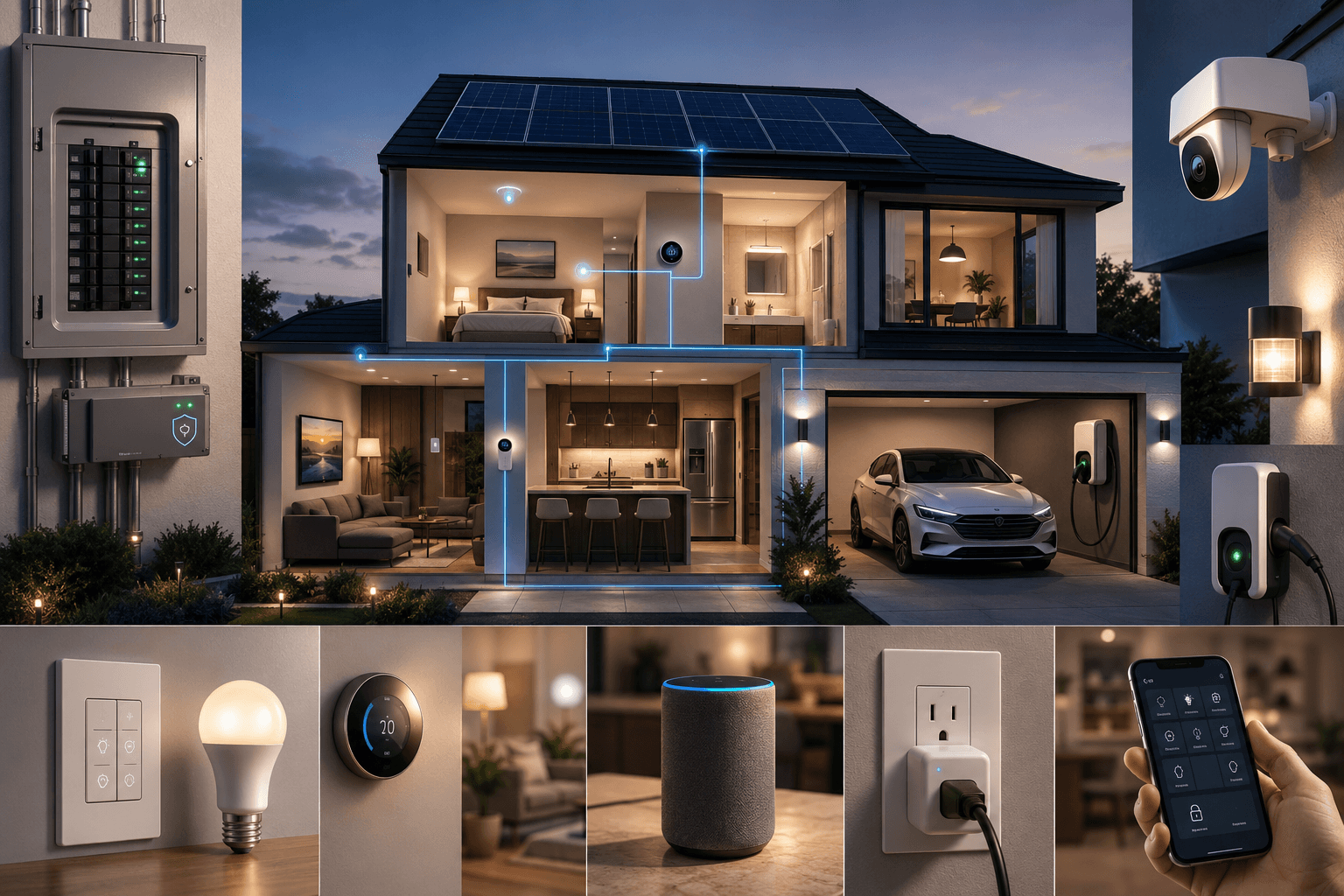
Install Smart Lighting Systems
Smart bulbs and smart switches allow you to:
- Schedule lighting
- Control lights remotely
- Monitor energy consumption
- Dim brightness when full illumination isn't required
Maximize Natural Daylight
Open curtains and blinds during the day to reduce reliance on artificial lighting.
Keep Fixtures Clean
Dust and dirt reduce light output, causing homeowners to use brighter bulbs unnecessarily.
Regular cleaning improves lighting efficiency.
Common Mistakes to Avoid
Avoid these common lighting mistakes:
- Buying bulbs based only on wattage
- Using excessively bright bulbs in small rooms
- Ignoring color temperature
- Installing non-compatible dimmable bulbs
- Mixing different lighting colors in the same room
- Purchasing low-quality, uncertified bulbs
Choosing certified, high-quality products ensures better performance, safety, and longevity.
Why Choose Certified LED Bulbs?
Certified LED bulbs offer:
- Higher energy efficiency
- Better electrical safety
- Consistent brightness
- Longer warranty
- Improved durability
- Compliance with quality standards
While uncertified bulbs may seem cheaper, they often have shorter lifespans and lower efficiency, resulting in higher long-term costs.
Environmental Benefits of Energy-Efficient Lighting
Switching to LED lighting not only saves money but also supports environmental sustainability.
Benefits include:
- Lower greenhouse gas emissions
- Reduced electricity demand
- Less waste due to longer lifespan
- Reduced heat generation
- Lower carbon footprint
Small changes in lighting choices can collectively have a significant positive impact on the environment.
Conclusion
Choosing the right light bulbs is one of the simplest and smartest ways to reduce your household energy bills. By replacing traditional incandescent or halogen bulbs with energy-efficient LED lighting, you can enjoy lower electricity costs, longer-lasting performance, improved lighting quality, and reduced maintenance.
Beyond the financial savings, energy-efficient lighting contributes to a safer, more sustainable home by generating less heat and lowering your environmental impact. Whether you're upgrading a single room or your entire home, investing in certified LED bulbs is a practical step toward long-term energy efficiency.
At HelloPower, we offer access to trusted lighting solutions and electrical products that help homeowners make smarter, safer, and more cost-effective choices for every space.
Frequently Asked Questions (FAQs)
1. Do LED bulbs really save money on electricity bills?
Yes. LED bulbs use up to 80–90% less electricity than traditional incandescent bulbs while providing the same level of brightness, leading to noticeable savings over time.
2. How long do LED bulbs last?
Most quality LED bulbs last between 25,000 and 50,000 hours, depending on usage and manufacturer specifications.
3. What is the difference between watts and lumens?
Watts measure the amount of electricity a bulb consumes, while lumens measure the brightness it produces. When buying modern bulbs, focus on lumens rather than watts.
4. Which color temperature is best for home lighting?
- 2700K–3000K (Warm White): Living rooms and bedrooms
- 4000K–5000K (Cool White): Kitchens and bathrooms
- 5000K–6500K (Daylight): Home offices and study areas
5. Are smart LED bulbs worth the investment?
Yes. Smart LED bulbs offer features such as scheduling, dimming, remote control, and automation, helping reduce unnecessary energy consumption and improve convenience. hellopower.in