Why MCB Distribution Box Maintenance Matters
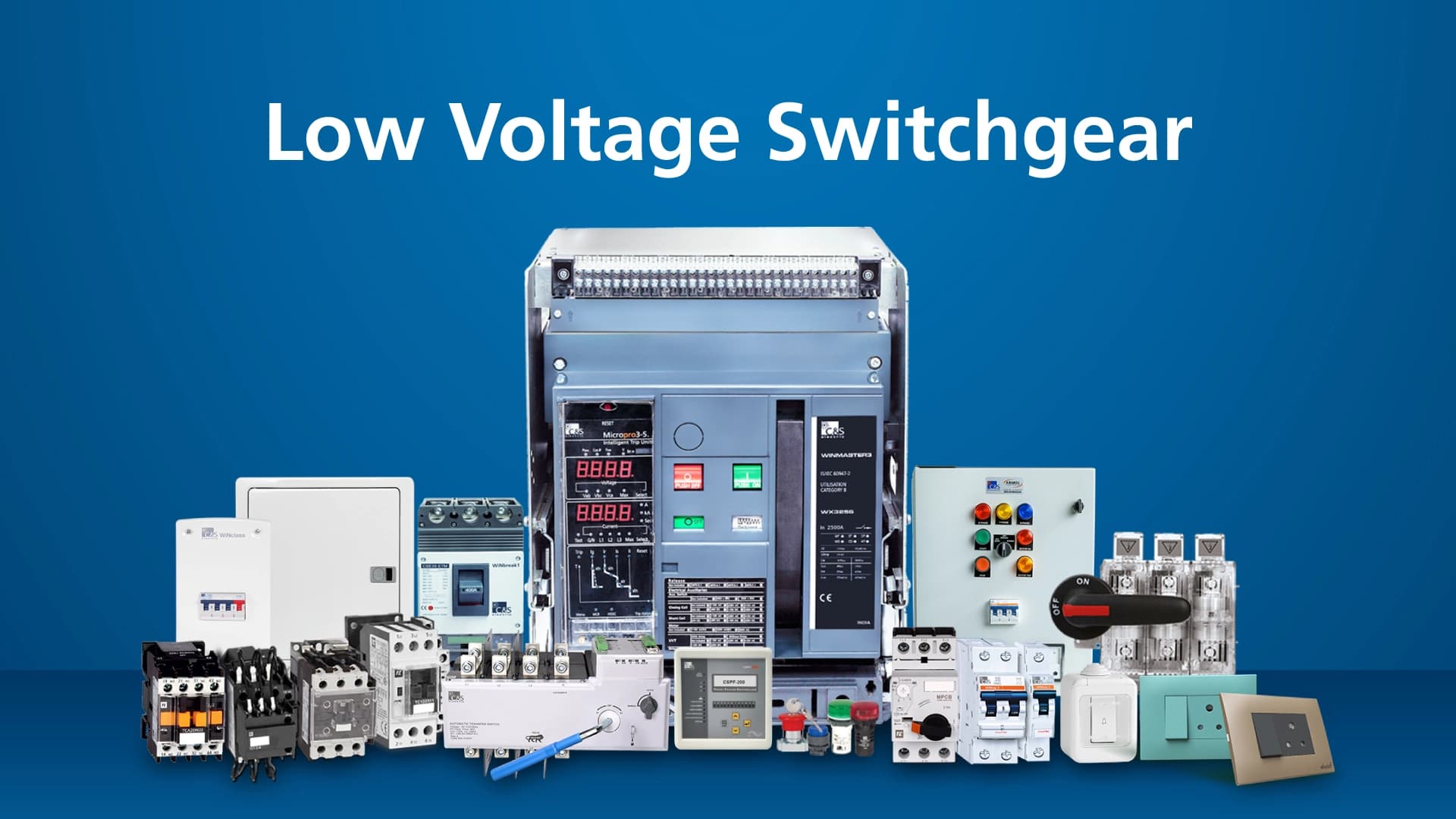
An MCB Distribution Box (DB) is the central point of power distribution in any electrical installation—whether residential, commercial, or industrial. It houses Miniature Circuit Breakers (MCBs) that protect electrical circuits from overloads and short circuits.
While MCBs are designed for durability and reliability, the distribution box itself requires periodic inspection and maintenance to ensure safe operation.
Neglecting maintenance can lead to:
• Frequent tripping of circuits
• Overheating of electrical components
• Loose or burnt wiring connections
• Equipment damage
• Increased electrical fire risk
Regular maintenance ensures safe power distribution, longer equipment life, and fewer electrical failures. Hellopower.in
Why Routine Distribution Box Maintenance Is Important
Over time, several factors can affect the performance of a distribution box:
• Thermal expansion and contraction of wires
• Vibration from equipment or machinery
• Dust accumulation inside the panel
• Moisture or humidity exposure
• Increase in electrical load
Without routine checks, these conditions can reduce system reliability and create hidden safety hazards.
Proper maintenance helps electricians maintain:
• Electrical safety
• Stable circuit performance
• Longer lifespan of electrical components
• Compliance with safety regulations
1. Perform Regular Visual Inspections
The first and simplest step in maintaining a distribution box is a thorough visual inspection.
Electricians should look for:
• Burn marks or discoloration near terminals
• Melted or cracked insulation
• Loose or exposed wiring
• Corrosion on connectors
• Broken panel doors or damaged enclosure parts
Even minor signs of heat damage should be investigated immediately to prevent serious failures.
Recommended inspection schedule:
• Commercial facilities – every 3 months
• Residential installations – every 6 months
2. Check for Overheating or Hot Spots
Overheating is one of the most common problems in electrical distribution boxes.
Typical causes include:
• Loose terminals
• Overloaded circuits
• Poor cable connections
• Inadequate ventilation
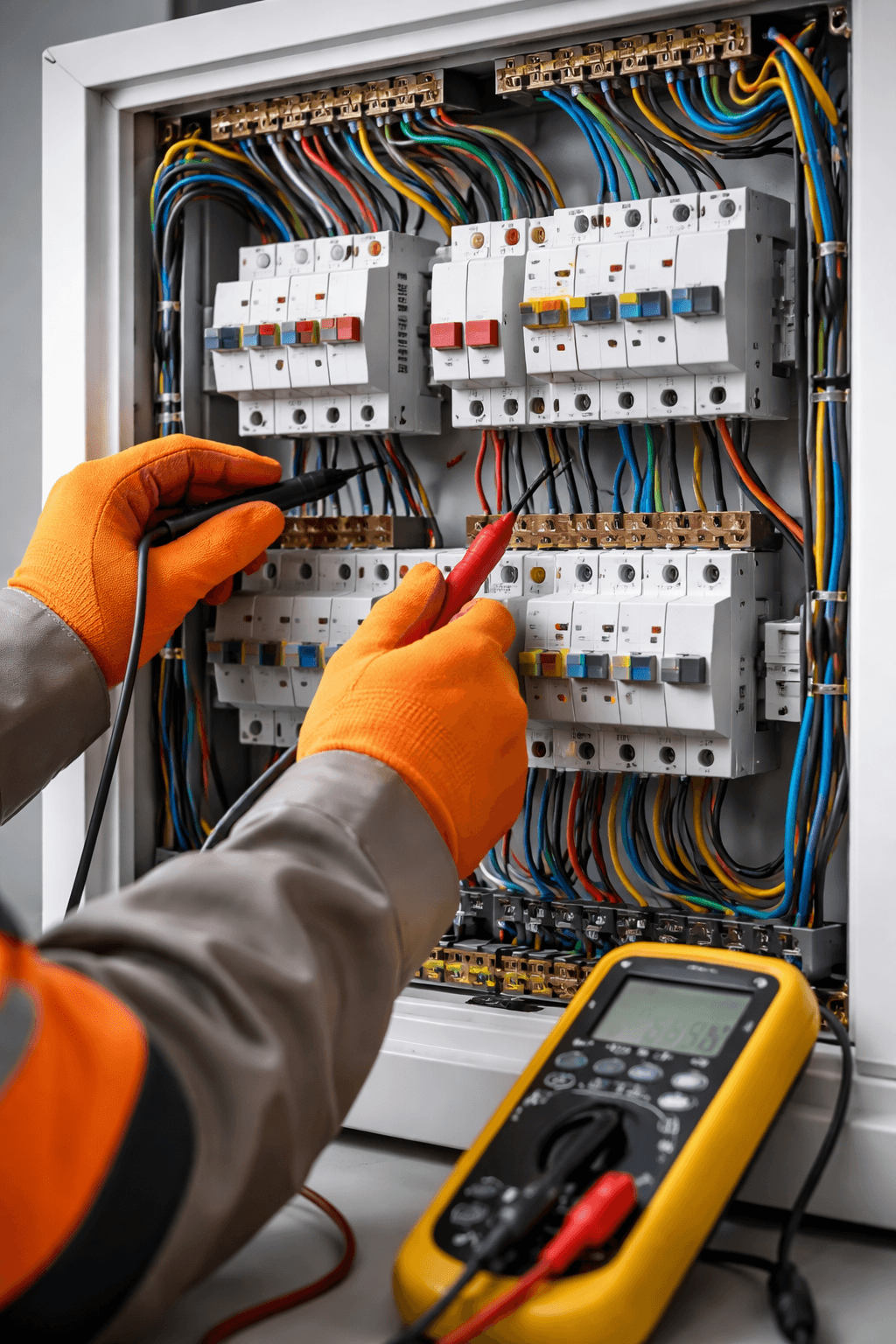
Electricians should:
• Inspect panels after switching off the main supply
• Feel for unusual warmth around terminals
• Use thermal imaging tools if available
• Tighten loose connections
Excessive heat can damage insulation and increase the risk of electrical fires.
3. Tighten All Electrical Connections
Loose electrical connections increase resistance, which causes:
• Voltage drops
• Heat buildup
• Intermittent tripping
• Potential circuit failure
During maintenance:
✔ Turn off the main power supply
✔ Use insulated tools
✔ Tighten terminal screws carefully
✔ Follow manufacturer torque guidelines
Avoid overtightening, as it can damage terminals or strip threads.
4. Clean Dust and Debris Inside the Distribution Box
Dust accumulation inside electrical panels can create serious problems such as:
• Reduced insulation resistance
• Electrical tracking
• Poor breaker performance
To clean the panel safely:
• Use a soft dry brush
• Use low-pressure compressed air
• Remove debris carefully
Avoid using:
• Water-based cleaners
• Metal tools inside panels
A clean distribution box improves insulation performance and electrical reliability.
5. Verify Proper Circuit Labeling
Clear circuit labeling is critical during troubleshooting or emergencies.
Each MCB should have accurate and updated labels indicating the circuit it controls.
Electricians should ensure:
• Labels match actual wiring
• New circuits are properly marked
• Old labels are replaced if faded or incorrect
Correct labeling reduces confusion and speeds up fault isolation during electrical issues.
6. Test MCB Operation Periodically
Although MCBs automatically trip during faults, manual testing ensures they operate smoothly.
Testing procedure:
- Turn off the connected load
- Toggle the MCB OFF and ON
- Check if the switch movement is smooth
If the breaker feels:
• Stiff
• Loose
• Unstable
it may need replacement.
Regular testing prevents mechanical sticking and ensures reliable protection.
7. Inspect Busbars and Neutral Links
Busbars distribute electrical power within the distribution box.
Electricians should check for:
• Loose mounting bolts
• Signs of overheating
• Corrosion or oxidation
• Damaged insulation barriers
Faults in busbars can affect multiple circuits simultaneously, making early detection extremely important.
8. Ensure Proper Load Distribution
Uneven electrical loads can create several issues:
• Overloading of individual MCBs
• Phase imbalance in three-phase systems
• Increased heat generation
Electricians should:
• Measure load current periodically
• Distribute circuits evenly across phases
• Upgrade breakers only if cable capacity supports it
Increasing MCB rating without verifying wiring capacity can create serious safety hazards.
9. Inspect the Distribution Box Enclosure
The enclosure protects electrical components from external environmental conditions.
Important checks include:
• Proper door sealing
• Working locks and hinges
• Undamaged IP-rated gaskets
• Tight cable gland fittings
A damaged enclosure may allow dust, insects, or moisture to enter, compromising electrical safety.
10. Replace Damaged or Aging Components
Electrical components degrade over time.
Electricians should replace:
• Old or faulty MCBs
• Burnt neutral links
• Cracked insulation parts
• Obsolete fuse systems
Upgrading components improves system safety and compliance with modern electrical standards.
11. Maintain Adequate Ventilation
Distribution boxes should always have proper airflow.
Adequate ventilation prevents overheating and extends the life of breakers and wiring.
Common Problems Caused by Poor Maintenance
Ignoring DB maintenance can result in:
• Frequent nuisance tripping
• Burnt or damaged wiring
• Reduced MCB lifespan
• Electrical equipment failures
• Increased fire hazards
Preventive maintenance is far less costly than emergency repairs or electrical accidents.
Maintenance Checklist for Electricians
Quick reference checklist:
✔ Perform visual inspection
✔ Tighten all terminals
✔ Clean dust and debris
✔ Check for overheating
✔ Test MCB operation
✔ Verify circuit labeling
✔ Inspect busbars
✔ Confirm enclosure condition
✔ Balance electrical loads
✔ Replace damaged components
Following this checklist helps maintain safe and reliable electrical systems.
Safety Precautions During Maintenance
Always follow these safety practices:
• Turn off the main power supply before inspection
• Use insulated electrical tools
• Wear protective gloves and safety gear
• Avoid working alone in high-voltage environments
• Follow local electrical safety regulations
Safety must always remain the top priority during electrical maintenance.
Conclusion
An MCB distribution box should never be treated as a “set and forget” component. Regular inspection and preventive maintenance are essential for ensuring safe and uninterrupted electrical distribution which can be done from Your trusted platform HelloPower Private Limited.
By following proper maintenance practices, electricians can:
• Prevent electrical hazards
• Improve system reliability
• Extend equipment lifespan
• Reduce costly electrical failures
Consistent care and inspection of distribution boxes help create safer electrical installations for homes, businesses, and industries alike.